Tattoos are not just an artistic expression or a fashion statement; they are a unique imprint of personal history. They can symbolize an important event or simply be an aesthetic adornment. However, many wonder: how will tattoos look in two decades? Over time, various factors influence them, including age, health, and the environment. Let’s take a closer look at what happens to tattoos as they age.
The Effect of Time on Tattoo Color and Clarity
One of the main aspects affecting the appearance of a tattoo is exposure to ultraviolet (UV) rays. The sun can be the most dangerous enemy to the brightness and clarity of the pigments used in tattoos. Sun protection is not just a recommendation but a necessity, especially for those who want to preserve their tattoo’s original look for many years. UV rays can break down pigment molecules, leading to fading and color changes. For example, black and dark blue pigments are less prone to fading, while red and yellow often lose their vibrancy faster.
Age also significantly impacts the clarity of tattoo lines. Over the years, the skin loses elasticity and firmness, which can lead to blurred tattoo edges. For instance, as a person ages, the skin becomes less dense, and tattoo lines may “spread,” making the image less sharp. This is particularly noticeable on larger tattoos where fine lines can become illegible.
Furthermore, changes in the skin can affect the tattoo application technique itself. In youth, when the skin is elastic, tattoos are applied more precisely, but with age, as the skin becomes drier and thinner, the quality of execution can suffer. Therefore, it is crucial to choose a professional artist who knows how to work with different skin types and predict how a tattoo will look years later.
Skin Texture and Its Impact on Tattoos
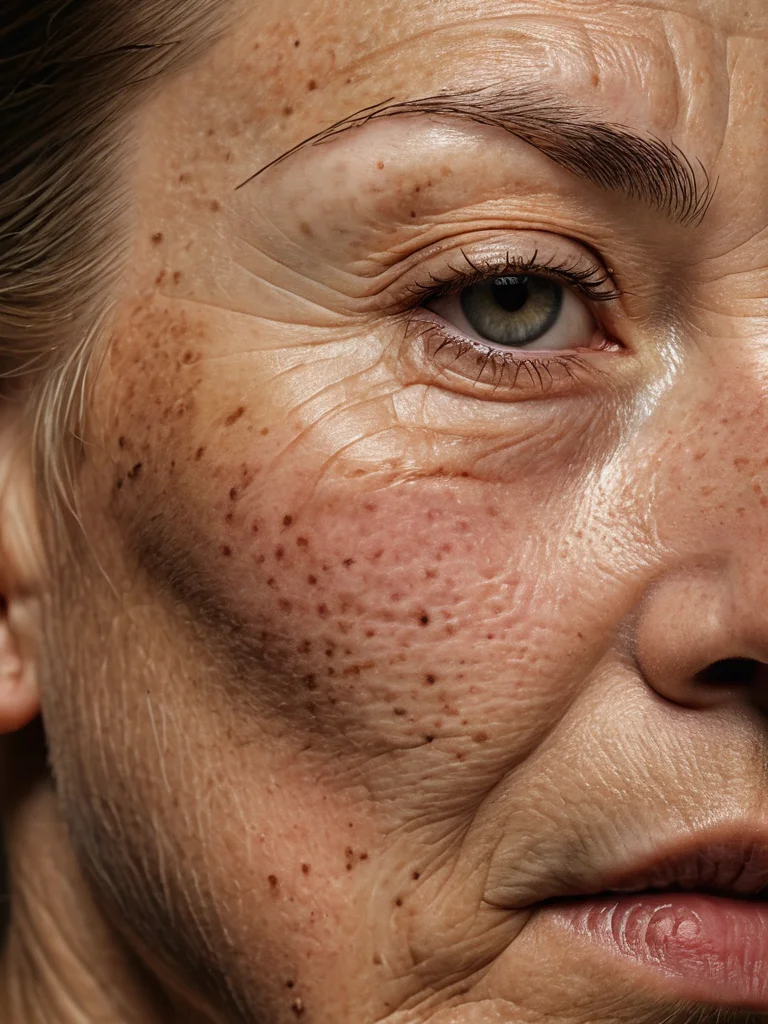
With age, the skin undergoes many changes, which inevitably affect the condition of tattoos. One of the most noticeable changes is the loss of elasticity and firmness. As we age, wrinkles appear on the skin, it becomes thinner and less smooth. All these factors can affect the visibility and clarity of a tattoo. For example, if the skin begins to “sag” or lose its firmness, the tattoo may appear less sharp, and its lines may look less neat.
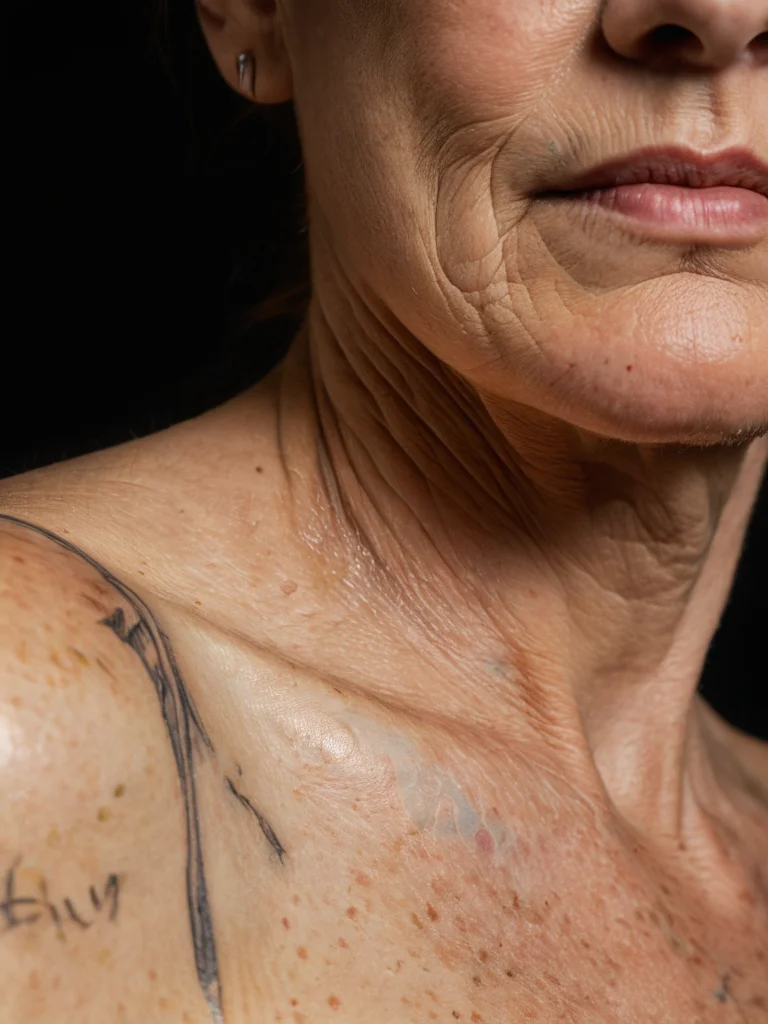
Additionally, age-related changes in skin structure can cause a tattoo to look different depending on its placement. In areas where the skin is more prone to aging, such as the arms or neck, tattoos may lose their vibrancy faster than in less exposed areas. Moreover, the appearance of age spots or other age-related changes can affect the overall look of the tattoo, making it less noticeable.
It’s also important to consider that throughout life, a person may experience various weight fluctuations, which also affect skin condition and, consequently, tattoos. For instance, rapid weight loss can lead to sagging skin, which will impact the appearance of tattoos. Conversely, weight gain can cause skin stretching, which will also negatively affect the clarity of the image. All these nuances highlight how important it is to consider skin texture when choosing a tattoo location and during its care.
Tattoos and Health: Risks with Age
With age, health becomes more vulnerable, and this can directly affect the condition of tattoos. Some chronic diseases, such as diabetes or cardiovascular diseases, can hinder skin healing and make it more susceptible to inflammation. For example, for people with diabetes, the wound healing process may take longer, which can affect the tattoo’s appearance. Inflammation, which can arise from infection, can also significantly worsen the tattoo’s condition.
Skin conditions like eczema or psoriasis can lead to changes in the texture and color of tattoos. These conditions can cause itching, peeling, and other symptoms that interfere with normal skin healing and worsen the tattoo’s appearance. For instance, in case of psoriasis flare-ups, peeling may occur on the skin, making the tattoo less visible and, in some cases, even requiring correction.
In addition, age can bring new risks, such as the development of allergies to the pigments used for tattooing. Allergic reactions can manifest even years after the tattoo is applied and can be accompanied by itching, redness, and swelling. In such cases, medical attention and possibly tattoo removal may be required. Therefore, it is important to remember a mindful approach to your health and regular check-ups with specialists.
Tattoo Care Over the Years
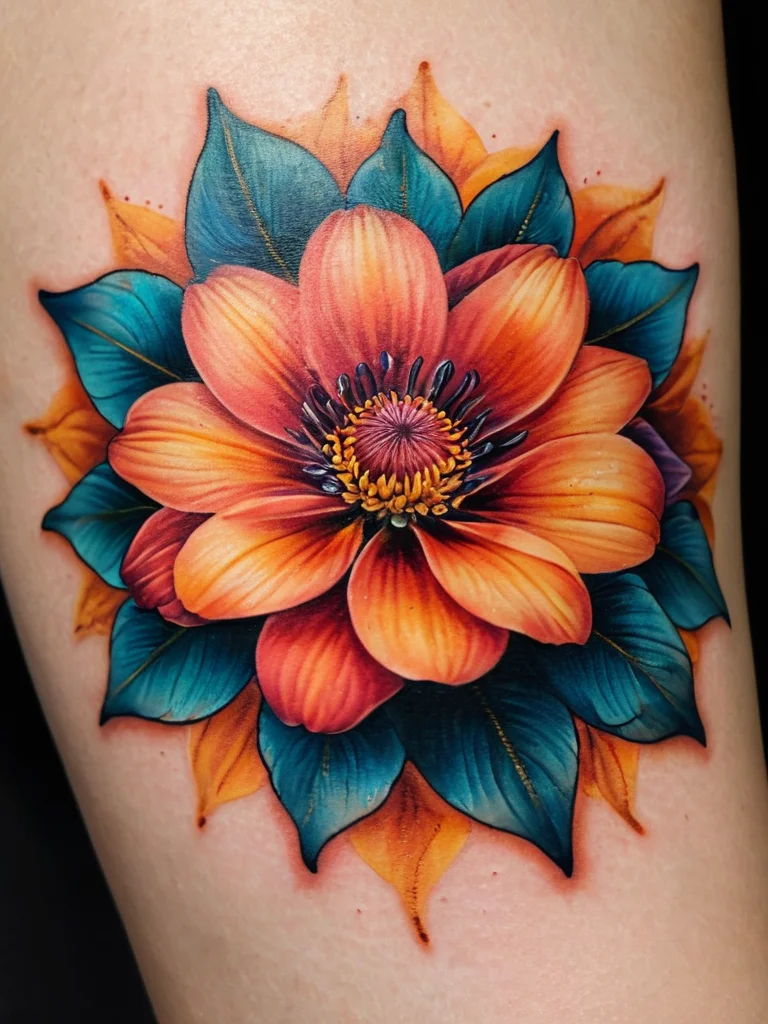
To ensure tattoos retain their vibrancy and clarity for as long as possible, proper care is essential. Best care practices include regular skin moisturizing, using sunscreen, and minimizing skin damage. Moisturizing helps prevent dryness and cracking, which can degrade the tattoo’s appearance. For example, using special tattoo creams or simply high-quality moisturizing products can help keep the skin in good condition.
Sunscreen also plays a vital role in tattoo care. Apply sunscreen to tattoos, especially in hot weather, to protect them from fading. This is particularly relevant for those who enjoy spending time outdoors. Sunscreens with a high SPF will significantly slow down the pigment fading process and preserve the image’s vibrancy for years to come.
Additionally, it’s important to pay attention to tattoo touch-ups and refreshers. Over time, if a tattoo begins to fade or lose clarity, it may need a touch-up. Tattoo artists can offer methods to restore the tattoo and bring back its original appearance. Some people even opt for creating new designs over old tattoos, which can be an interesting way to refresh their look.
Nostalgia and Reinterpreting Tattoos in Mature Age

Over time, our attitude towards tattoos can change. What once seemed relevant and important may lose its significance with age. People often reinterpret their tattoos, reflecting on what they represent in their lives. For example, a tattoo symbolizing youth might be perceived differently in mature age. Some may decide to remove or alter such tattoos to align with a new stage of life.
Furthermore, tattoos can become a kind of mental “indicator” of one’s life path. Each tattoo can be associated with a specific chapter in life, and as a person ages, they may realize that their past and present aspirations have changed. For instance, a tattoo dedicated to a particular event might evoke nostalgia, but also the understanding that the event has passed and is no longer part of their current life.
Some people find new meanings and connections in their tattoos that they hadn’t noticed before. Tattoos can become symbols of strength and overcoming difficulties. They can serve as reminders of what a person has been through and how that journey has become part of their individuality. Thus, tattoos become not just images on the skin but significant symbols reflecting personal experiences and life changes.