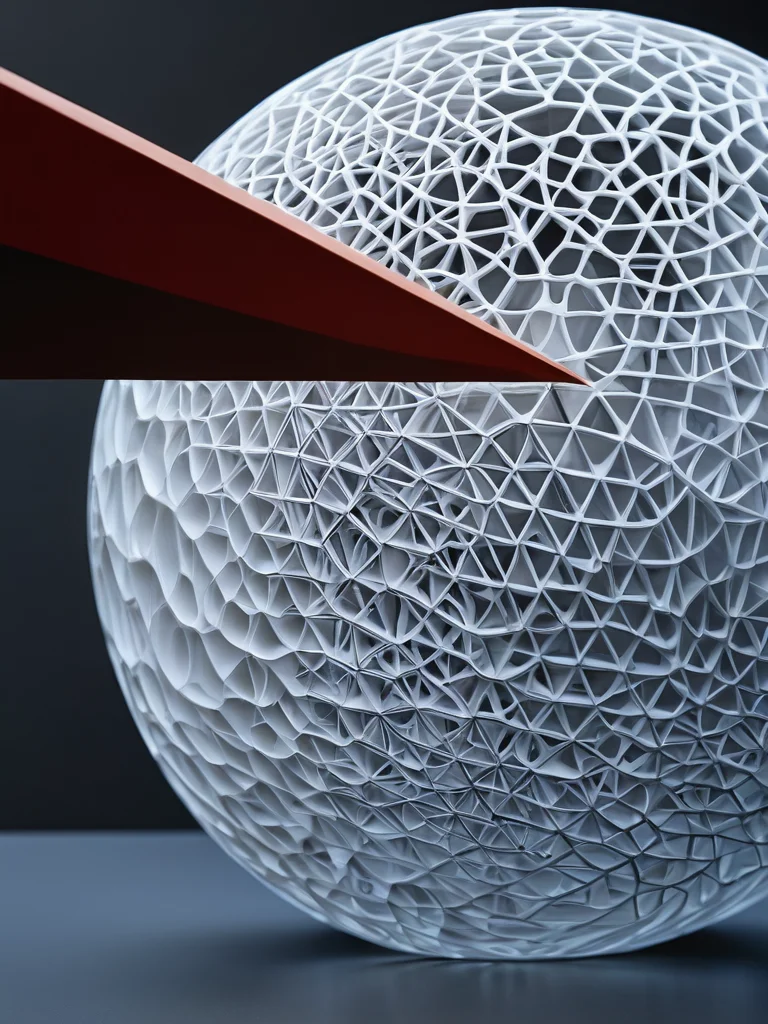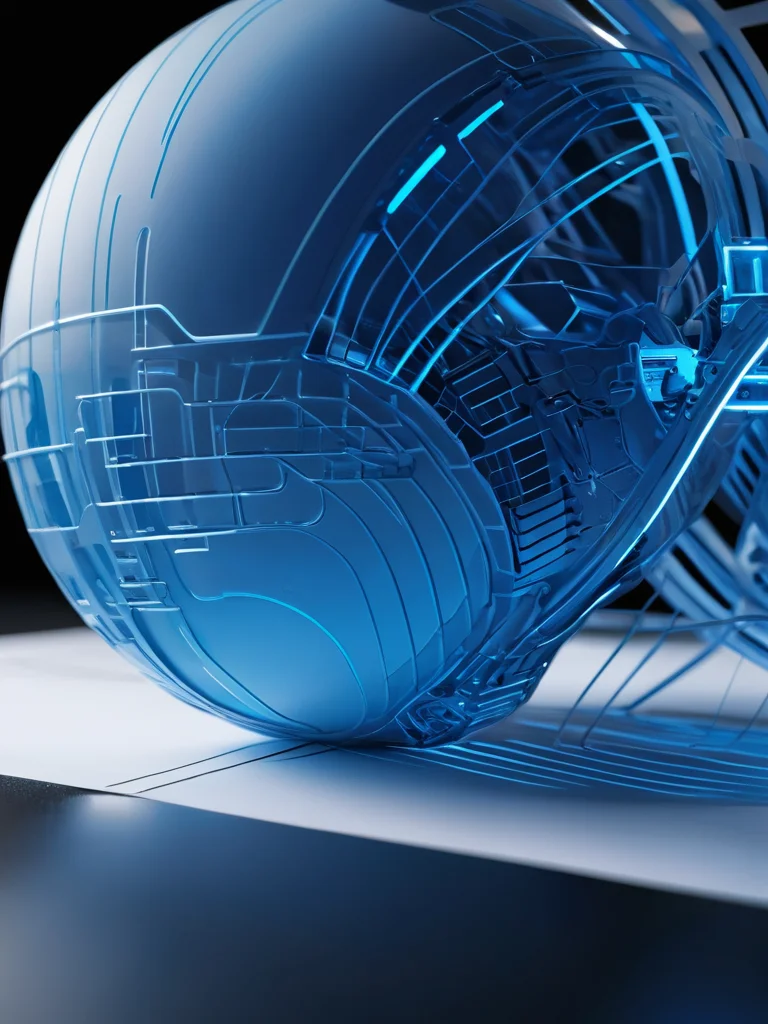
3D printing – a technology that until recently seemed like something out of science fiction, is now rapidly penetrating all spheres of our lives. From creating prototypes and models to printing organs and entire houses – the possibilities of additive manufacturing seem almost limitless. But how realistic are the prospects of using 3D printing for creating sketches? Is it already a real tool for architects, designers, and engineers, or does it remain just a beautiful but impractical idea?
3D Printing of Sketches: From Dream to Reality – A Brief Excursion into the Technology
3D printing, or additive manufacturing, is the process of creating three-dimensional objects by sequentially layering material. Unlike traditional manufacturing methods where material is removed (e.g., milling), 3D printing allows for the creation of complex shapes with high precision and minimal waste. The technology has come a long way from the first experimental setups to modern high-performance printers capable of working with a wide range of materials: from plastic and metal to ceramics and biomaterials.
There are several main 3D printing technologies, each with its own features and advantages:
- FDM (Fused Deposition Modeling): the most common and accessible technology, where material (usually plastic) in the form of a filament is melted and extruded through a nozzle, forming the object layer by layer.
- SLA (Stereolithography): this technology uses a liquid photopolymer that hardens under the influence of a laser or other UV light source.
- SLS (Selective Laser Sintering): powdered material (e.g., metal or plastic) is sintered by a laser according to a three-dimensional model.
- Multi Jet Fusion (MJF): an inkjet technology where powder layers are treated with special agents and then fused by heat.
The choice of 3D printing technology depends on the requirements for the final product: precision, strength, material, and cost.
Architectural Revolution: How 3D Printing is Transforming the Design and Visualization Process
In architecture, 3D printing opens new horizons for creating models and prototypes. Instead of laborious and expensive manual modeling, architects can now obtain an accurate three-dimensional model of their project in the shortest possible time. This allows for faster and more efficient evaluation of different design options, identification of errors, and making necessary adjustments.
One of the main advantages of 3D printing in architecture is the ability to create complex geometric shapes that are difficult or impossible to achieve with traditional methods. This opens up new possibilities for innovative design and the creation of unique buildings and structures.
Furthermore, 3D printing allows architects to interact more effectively with clients. A clear three-dimensional model allows the client to better understand the project and provide their wishes at the early stages of design. This reduces development time and increases client satisfaction.
Examples of 3D printing in architecture:
- Printing building and structure models: for demonstrating projects to clients and for evaluating architectural solutions.
- Printing facade elements: for creating unique and complex shapes.
- Printing construction prototypes: for testing new materials and technologies.
- Printing entire houses: although this technology is still under development, there are already successful examples of printing residential and public buildings.
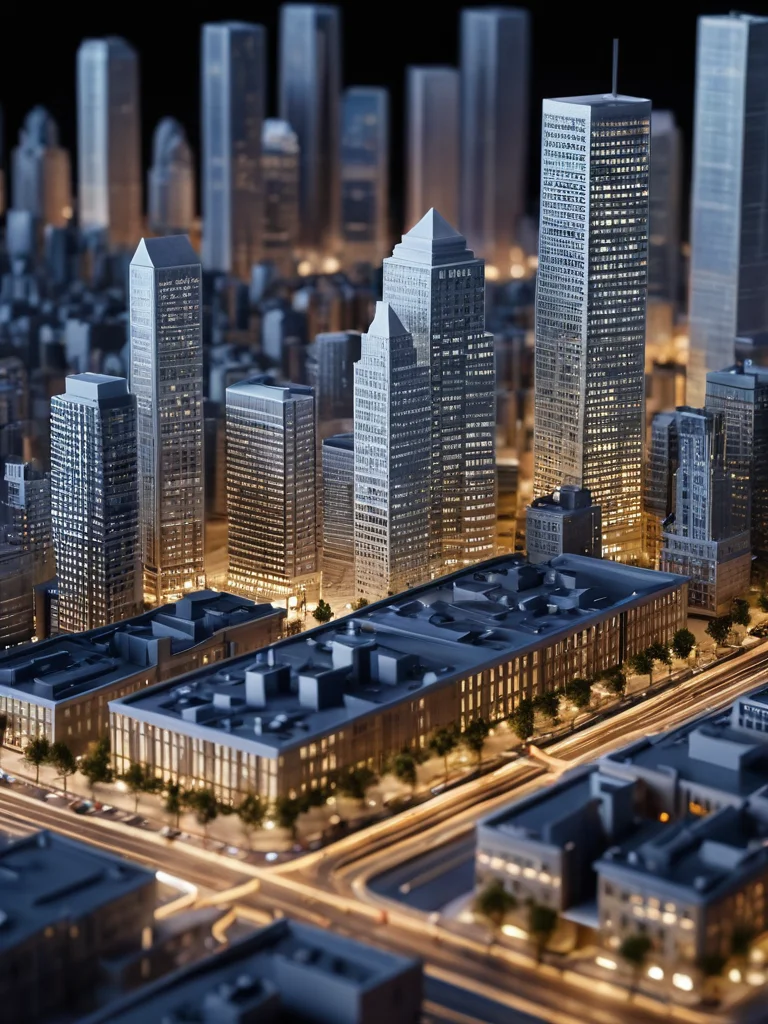
Designer Boom: 3D Printing as a Tool for Creating Unique Prototypes and Models
In the field of design, 3D printing has become a true revolution, allowing designers to bring their boldest and most creative ideas to life. Thanks to 3D printing, designers can quickly and inexpensively create prototypes of their products, test their ergonomics and functionality, and make necessary changes.
One of the main advantages of 3D printing for designers is the ability to create personalized products. Designers can easily adapt their products to the individual needs and preferences of each client. This opens up new opportunities for creating unique and in-demand products.
3D printing also allows designers to experiment with new materials and technologies. They can use a wide range of materials, from plastic and metal to ceramics and composites, to create products with unique properties and characteristics.
Examples of 3D printing in design:
- Printing industrial product prototypes: for testing and optimizing design.
- Printing jewelry: for creating unique and personalized ornaments.
- Printing interior items: for creating original and functional furniture and decor.
- Printing clothing and footwear: for creating innovative and comfortable items.

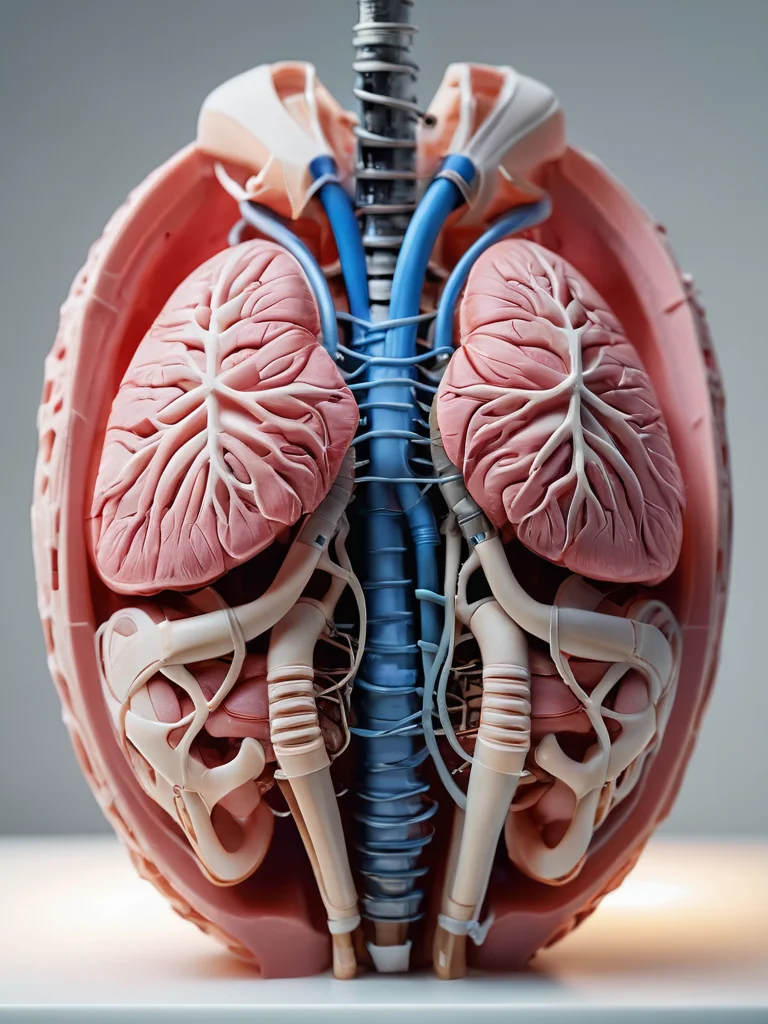
Medicine of the Future: 3D Printing of Organ and Prosthetic Sketches – A Breakthrough in Healthcare
In medicine, 3D printing opens new prospects for patient treatment and rehabilitation. One of the most promising areas of 3D printing application is the creation of biomedical implants and prosthetics. Thanks to 3D printing, doctors can create implants that perfectly match the anatomical features of each patient. This increases treatment effectiveness and reduces the risk of complications.
3D printing is also used to create surgical models, allowing surgeons to plan operations more thoroughly and reduce the risk of errors. Surgical models allow them to practice on an accurate replica of the patient’s organ, which increases their confidence and improves surgical outcomes.
In the future, 3D printing may be used to create artificial organs and tissues. This technology, known as bioprinting, is still under development but is already showing promising results. Bioprinting will help solve the problem of donor organ shortages and save millions of lives.
Examples of 3D printing in medicine:
- Printing dental implants and crowns: for restoring the dentition.
- Printing limb prosthetics: for improving the quality of life for people with disabilities.
- Printing surgical models: for planning complex surgeries.
- Bioprinting organs and tissues: for creating artificial organs and tissues for transplantation.
Advantages of 3D Printing Sketches: Speed, Accuracy, Savings, or Illusion?
3D printing of sketches has several advantages compared to traditional methods of creating models and prototypes:
- Speed: 3D printing allows sketches to be created significantly faster than manual modeling.
- Accuracy: 3D printing ensures high accuracy in the dimensions and geometry of the sketch.
- Savings: 3D printing can be a more economical way to create sketches, especially for small runs.
- Complex Shapes: 3D printing allows for the creation of sketches with complex shapes that are difficult or impossible to achieve with traditional methods.
- Personalization: 3D printing allows for easy adaptation of the sketch to the individual needs and preferences of each client.
- Visualization: allows for a more visual representation of the final product to the client.
However, it should be noted that 3D printing is not always the optimal solution. In some cases, for example, when creating simple models, manual modeling may be faster and more economical.
Barriers to Perfection: Limitations and Challenges of 3D Printing Sketches Today
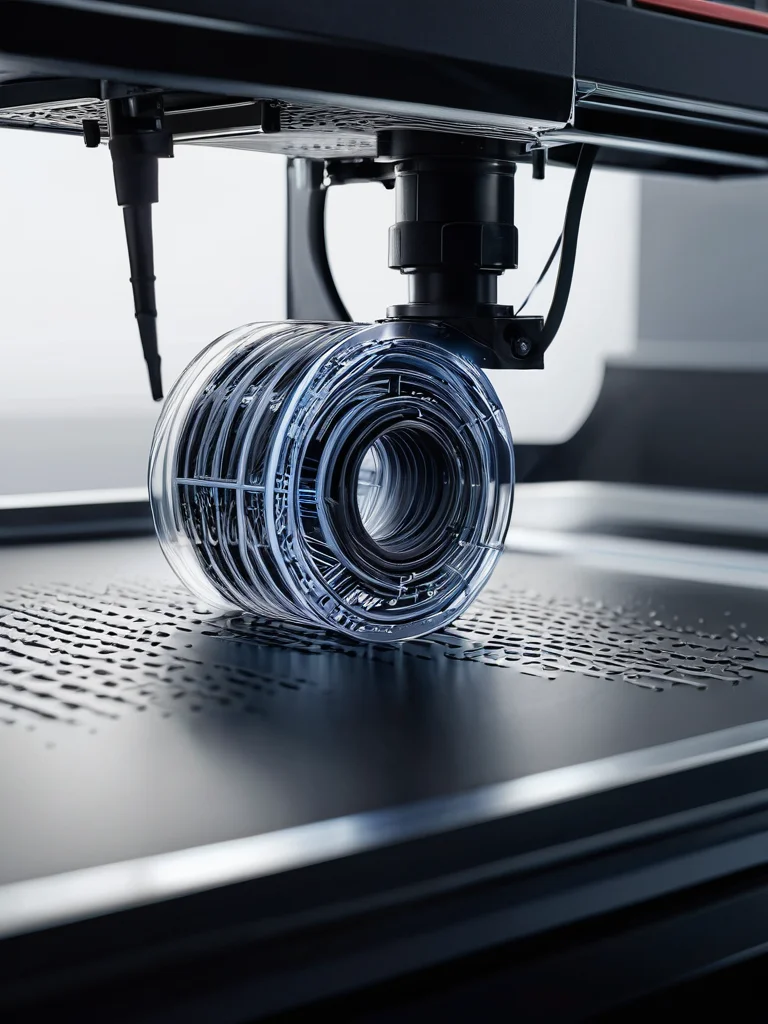
Despite all the advantages, 3D printing of sketches faces a number of limitations and challenges:
- Limited Material Selection: the choice of materials for 3D printing is still limited compared to traditional manufacturing methods.
- High Cost of Equipment and Materials: 3D printers and printing materials can be quite expensive.
- Limited Print Area Size: the size of a sketch that can be printed on a 3D printer is limited by the size of the print area.
- Need for Post-processing: after printing, the sketch may require post-processing, such as support removal, sanding, and painting.
- Complexity of Mastering the Technology: effective use of 3D printing requires certain knowledge and skills.
- Intellectual Property: protecting copyright on 3D models is a complex task.
Overcoming these limitations and challenges is a key factor for the further development of 3D printing of sketches.
3D Printing of Sketches: Horizons of the Future – Forecasts and Development Prospects
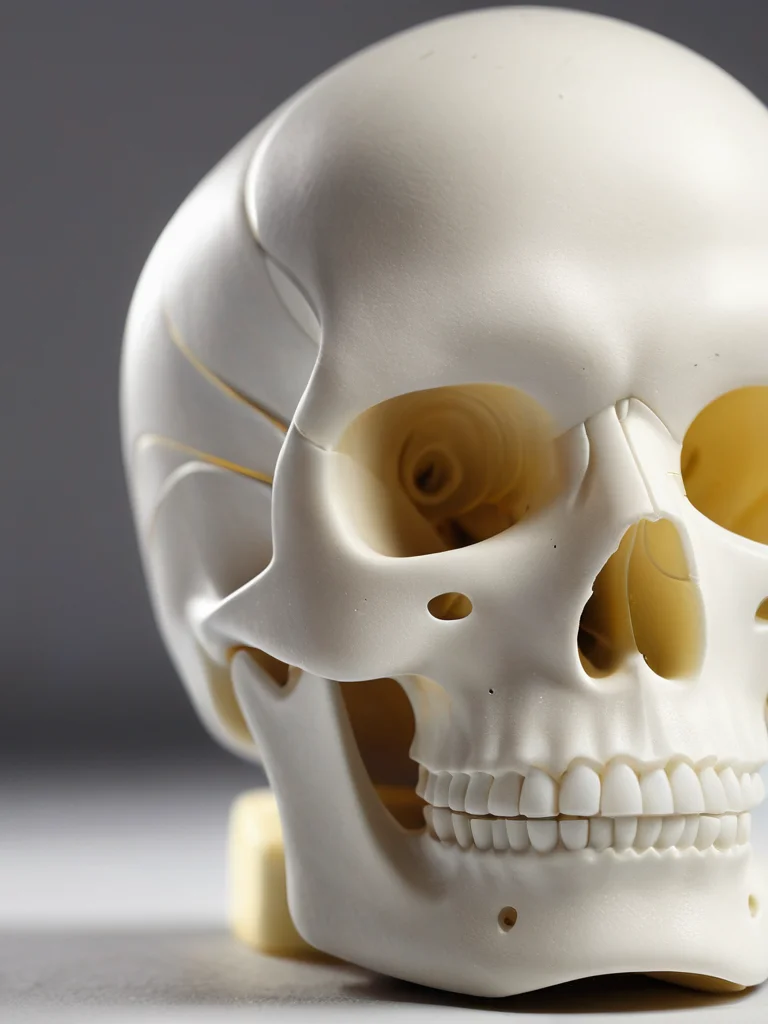
The future of 3D printing sketches looks very promising. It is expected that in the coming years, the technology will become even more accessible, faster, and more accurate. The development of new materials and printing technologies will allow for the creation of sketches with even more complex shapes and characteristics. It is predicted that 3D printing of sketches will become an integral part of the design and visualization process in various industries, from architecture and design to medicine and engineering.
Key directions for the development of 3D printing sketches:
- Development of New Materials: creation of new materials with improved properties and characteristics, such as strength, heat resistance, and biocompatibility.
- Increasing Printing Speed: development of new printing technologies that significantly reduce the time to create sketches.
- Improving Printing Accuracy: increasing the accuracy of dimensions and geometry of sketches.
- Automation of the Printing Process: automation of all stages of the printing process, from 3D model preparation to sketch post-processing.
- Development of Bioprinting: creation of artificial organs and tissues for transplantation.
3D printing of sketches is not just a technology, it is a new production paradigm that opens up limitless possibilities for creativity and innovation. We can only wait for fantasy to become reality.